
Village History
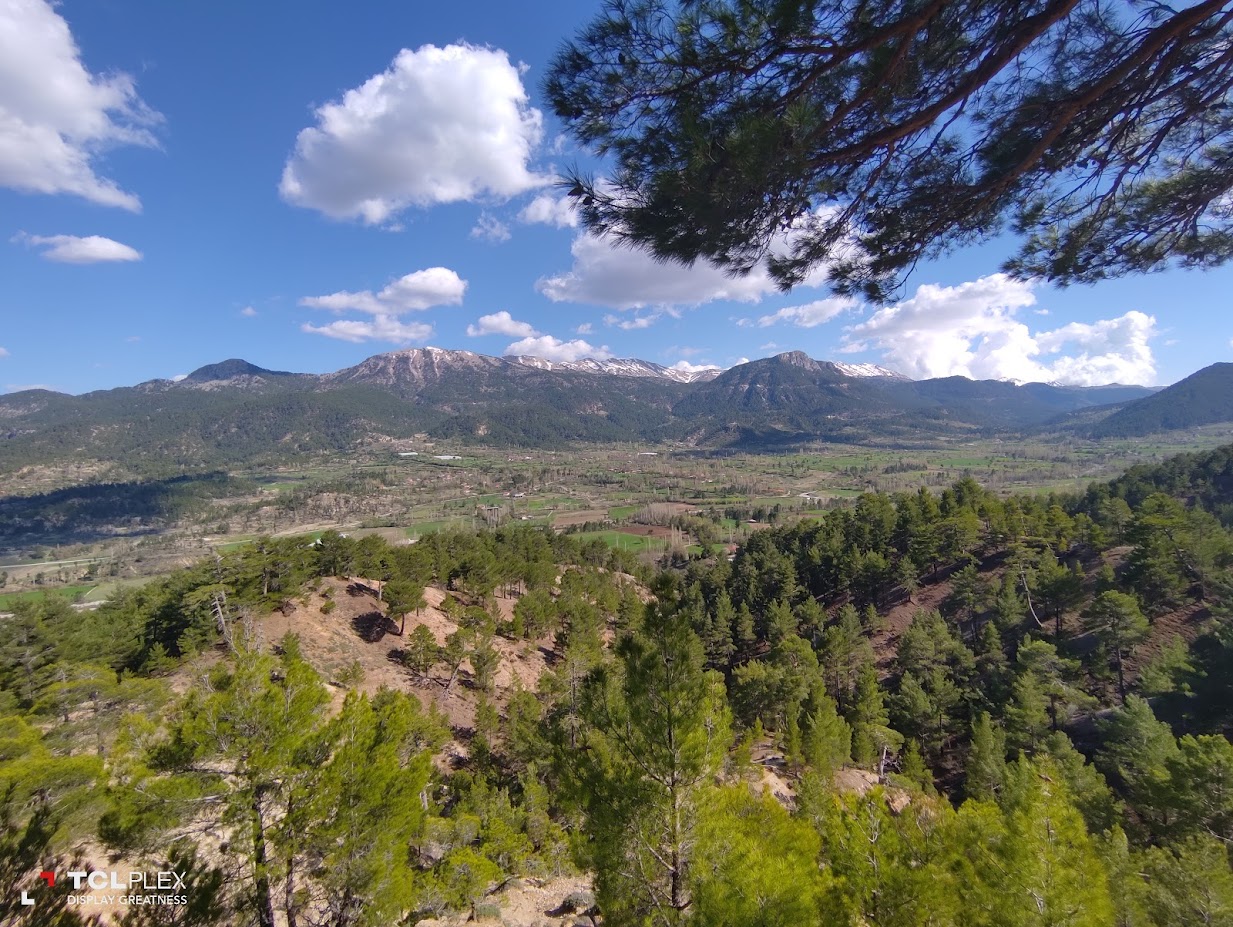
Our village is the farthest village of our province and district; before Gölhisar became a district in 1953, it passed through the Kargı and Yanıklar village headmen of Fethiye. It is scattered around the plain it belongs to, forming Çayiçi, Delicin, Tekeller, Balcılar, Semenler, Divre, Turanlar, Demirciler, Kürtlüyamaç, Merkez, Hanyanı, Ortamahalle, Efendiler, Bayramlar, Kelalar neighborhoods.
In the east of our village, Havut Mountain and Eren Mountain, as well as Ballık village as a village; in the south, Boncuk Mountain, Karunca district, Söğütlüdere village, which is a village connected to Fethiye, in the west, the highest mountain in the region, Göktepe, and in the north, Hasancık Mountain, İbecik Dikmeni, Arıkaya village, which is a village connected to Çameli, and İbecik villages, which are a village connected to our district.
The village is surrounded by mountains and the branch of the Dalaman Stream passes in the middle of the plain. The land of Elmalıyurt Village is not fertile and is barren. The necessary irrigation water is provided by Başpınar, Tuğlu, Tavşancıl, Pazaryeri streams. It does not have quality and fertile soil. The Mediterranean climate is noticeable in our village. Yapraklı Dam built within the borders of İbecik Village plays a major role in this climate. July and August are the hottest months in summer, and December and January are the coldest months in winter. The vegetation is shaped depending on the climate. Pine, juniper and fir trees are prominent at high altitudes. Fir trees, in particular, extend from the slopes of Göktepe to the summit in Koca Dikmen and Divre locations. Our village is very rich in terms of forests. An agricultural development cooperative has been established in the village regarding this and is financially strong. There are plenty of animals such as rabbits, foxes, partridges, wolves, pigs, badgers, weasels and martens in the forest.
Our village was called Elmalıyurt because of the abundance of apples. Before this name was given, the village was called Pırnaz. There are even families with the surname Pırnaz in the village.
Village History